

When you think of entertainment in the UK, you probably picture football matches, theatre nights, or a Netflix binge. But since smartphones began to dominate the market in 2015, the way we spend leisure time has shifted dramatically. Mobile gaming now accounts for more than 45% of the country’s digital entertainment hours, pushing traditional formats into a new competitive landscape. The change isn’t just in numbers; it’s in how people choose to relax, socialise, and even earn.
1. Accessibility: From Arcade to Pocket
The most obvious advantage of mobile titles is that they’re literally on your wrist. In 2023, the average UK adult downloaded 12 different games in a single month, compared with just 5 in 2018. That’s a 140% increase. The barrier to entry is low: a free download, no subscription fee, and gameplay that fits a five‑minute coffee break. For older generations who might find console setups daunting, a simple tap can bring them into a world of strategy or casual fun. The downside? The sheer volume of free titles means that finding quality content is like searching for a needle in a haystack. Casual players often end up stuck in ads or micro‑transaction traps.
2. Social Integration: Gaming Beyond the Self
Mobile games now come with built‑in social features. The top three titles in 2024—“Clash Royale,” “Mario Kart Tour,” and “Among Us”‑style apps—allow players to invite friends, share progress, and even stream gameplay directly from the app. In a recent survey, 68% of respondents said they play a mobile game with at least one friend weekly. This social layer has turned solitary leisure into group events, often replacing a night out in a pub. However, the reliance on internet connectivity means that those in rural areas with poor 4G coverage miss out on real‑time multiplayer experiences.
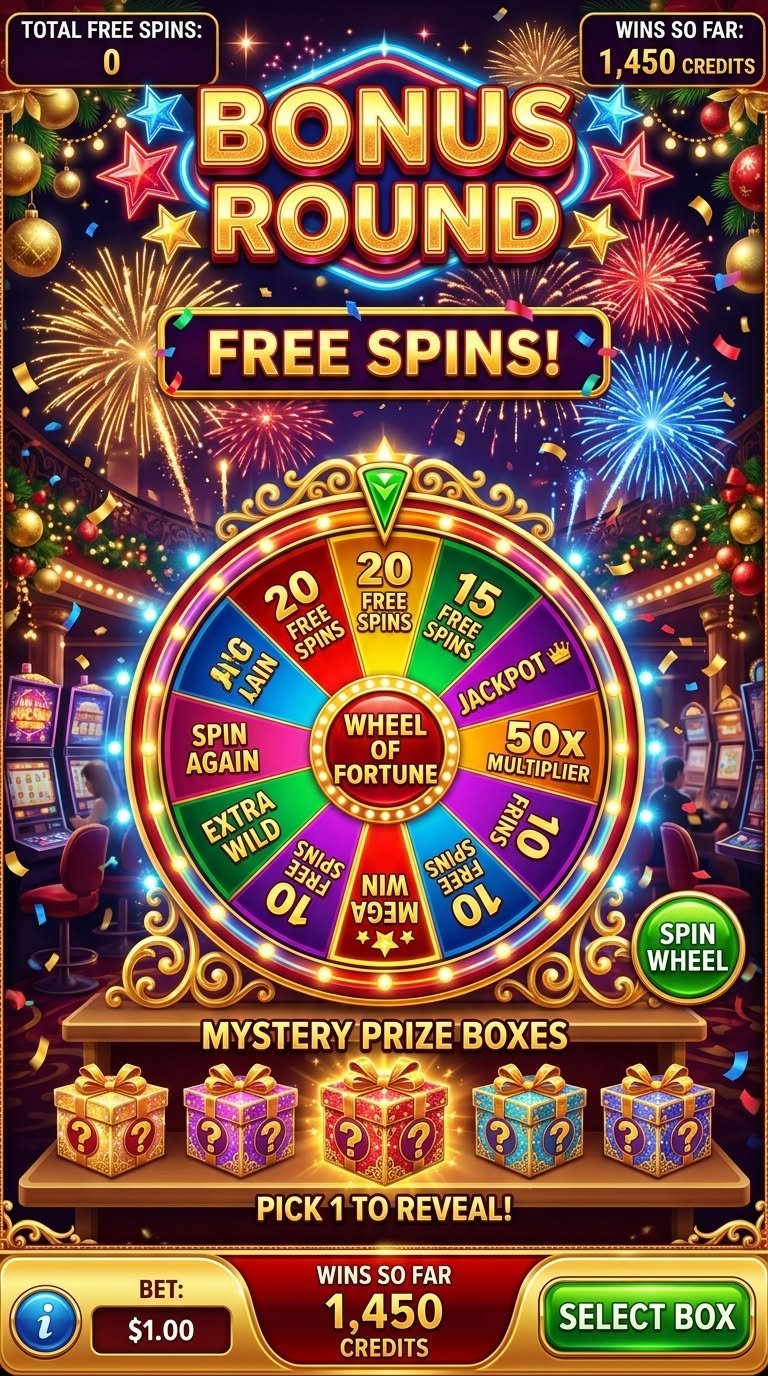
3. Monetisation Models: From Ads to In‑App Purchases
Unlike traditional entertainment, mobile games offer a spectrum of monetisation strategies. Free‑to‑play titles rely heavily on in‑app purchases (IAPs), with an average spend of £4.30 per user per year in 2024. Subscription models—such as “Game Pass” bundles—are gaining traction, bringing a steady revenue stream to developers. The shift towards IAPs has pushed the industry to innovate in user retention tactics: daily login bonuses, limited‑time events, and loot boxes. While these tactics keep players engaged, they also raise concerns about predatory practices, especially among younger audiences who might not recognise the value of a micro‑transaction.
4. Cross‑Platform Ecosystems: From Mobile to Home
Many mobile games now support cross‑play with consoles or PCs. Titles like “Fortnite” and “Minecraft” allow progress to sync across devices, meaning you can start a match on your phone and finish it on a desktop. This fluidity encourages players to invest in a single experience across multiple touchpoints. The result is a more unified gaming community that blurs the line between mobile and traditional gaming. Yet, this integration can be frustrating for users who lack a second device, forcing them to compromise on gameplay quality or access.
5. Economic Impact: Jobs, Revenue, and New Opportunities
In 2023, the UK mobile gaming market generated £3.2 billion in revenue, a 12% rise from the previous year. This boom has created over 4,500 jobs in development, marketing, and esports broadcasting. Moreover, the rise of mobile eSports tournaments has opened new career paths for streamers and analysts. On the flip side, the rapid growth has intensified competition, leading some indie studios to shut down after failing to secure a foothold in an oversaturated market.
6. Cultural Shifts: Gaming as Mainstream Entertainment
Once a niche pastime, gaming now occupies a central place in UK culture. According to a 2024 report, 55% of 16‑to‑24‑year-olds consider gaming a primary source of entertainment, surpassing traditional media like music streaming. This shift has influenced advertising, with brands sponsoring in‑app events or collaborating with popular mobile game developers. However, the mainstreaming of gaming also brings scrutiny over content, with debates on age‑appropriate material and screen time guidelines.
Bridge to Online Entertainment
As mobile games grow in complexity and social reach, many players look beyond the app store for deeper experiences. The same skills and communities that thrive on smartphones often translate into the broader online gaming scene. If you’re curious about where mobile gaming intersects with casino-style entertainment, you might find the offerings at shishadeluxe.co.uk intriguing.
Conclusion: Choosing Your Path in the New Landscape
Mobile gaming’s influence on the UK entertainment sector is undeniable. It has made gaming more accessible, more social, and more economically significant than ever before. For the casual player, the appeal lies in convenience and variety; for the hardcore gamer, the lure is in cross‑platform integration and community depth. Yet, the industry’s rapid evolution brings challenges—advertising overload, connectivity gaps, and monetisation ethics—that stakeholders must address. Ultimately, whether you’re a seasoned player or a curious newcomer, the mobile gaming wave is reshaping how we unwind, connect, and even earn, marking a pivotal chapter in UK entertainment history.
Frequently Asked Questions
Why is mobile gaming growing faster than other entertainment forms in the UK?
The ubiquity of smartphones and instant access to games make mobile gaming more convenient than traditional formats, driving rapid growth.
What percentage of UK digital entertainment hours is spent on mobile games?
Over 45% of digital entertainment time in the UK is now spent playing mobile games, according to recent market studies.
Can mobile gaming be a source of income for players?
Yes, many players earn money through in-game rewards, streaming, or participating in competitive e‑sports events.
How does mobile gaming affect social interactions in the UK?
It encourages social play through multiplayer features and community events, changing how people relax and connect with friends.